
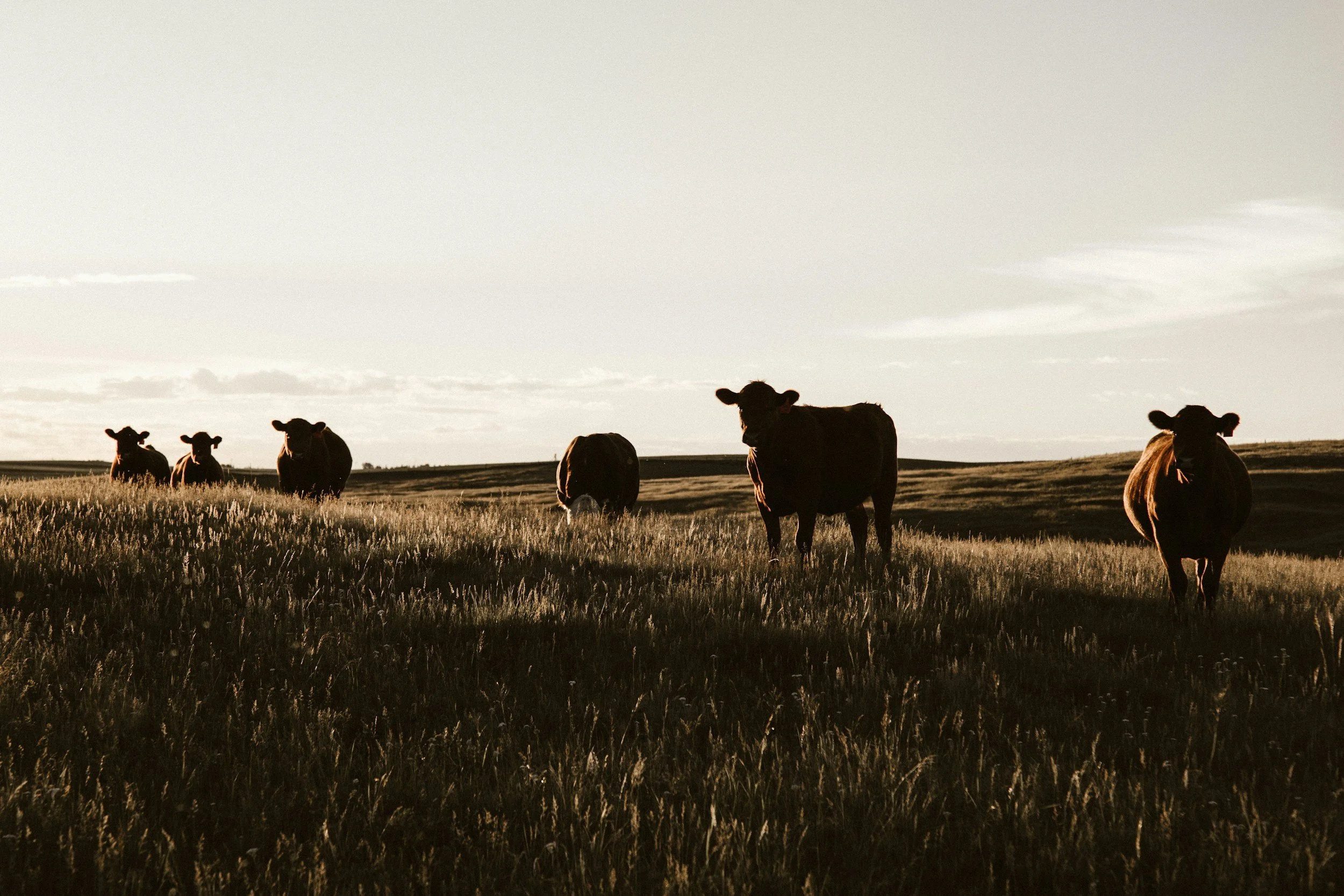
Agricultural travel experiences
Kenya safaris for producers , landholders and agribusiness families
Situated on the equator, Kenya offers a rare agricultural canvas: year-round sun, seasonal rains across diverse regions, red volcanic soils, and a deep relationship between livestock, land management and conservation.
In the highlands, tea and coffee estates sit alongside kitchen gardens, smallholder farms and regenerative growing systems. In the rangelands, livestock and wildlife often share the same broader landscape, supported by conservancy models, grazing plans, water systems and community partnerships.
For Australian producers, this creates a safari with a different kind of depth, one that explores not only wildlife but the practical decisions behind land, animals, food and long-term stewardship.
-
No, farm and ranch visits can be built into any Immersion Safaris itinerary.
-
Yes. Wildlife and safari remain central to the experience, guests are invited to understand the broader system around it: grazing, water, livestock, conservation models, community partnerships and land stewardship.
-
Where possible, properties with a real working connection to the land around them, an organic shamba, grazing plans and conservancy partnerships.
-
Yes, itineraries are built around what each guest wants more or less of, farm stops included.
-
For many farm businesses, agricultural visits like these count as professional development. Whether and how much depends on your circumstances. The program includes structured agribusiness and land-based learning components, with documentation support for guests’ own records. Any tax treatment depends on individual circumstances and should be discussed with a registered tax agent.
-
Guests receive a Tax Record Workbook designed to help keep relevant travel information organised, including itinerary details, visit summaries, notes prompts, receipt checklists, and a travel diary template where relevant. This is provided for record-keeping support only and does not determine deductibility.
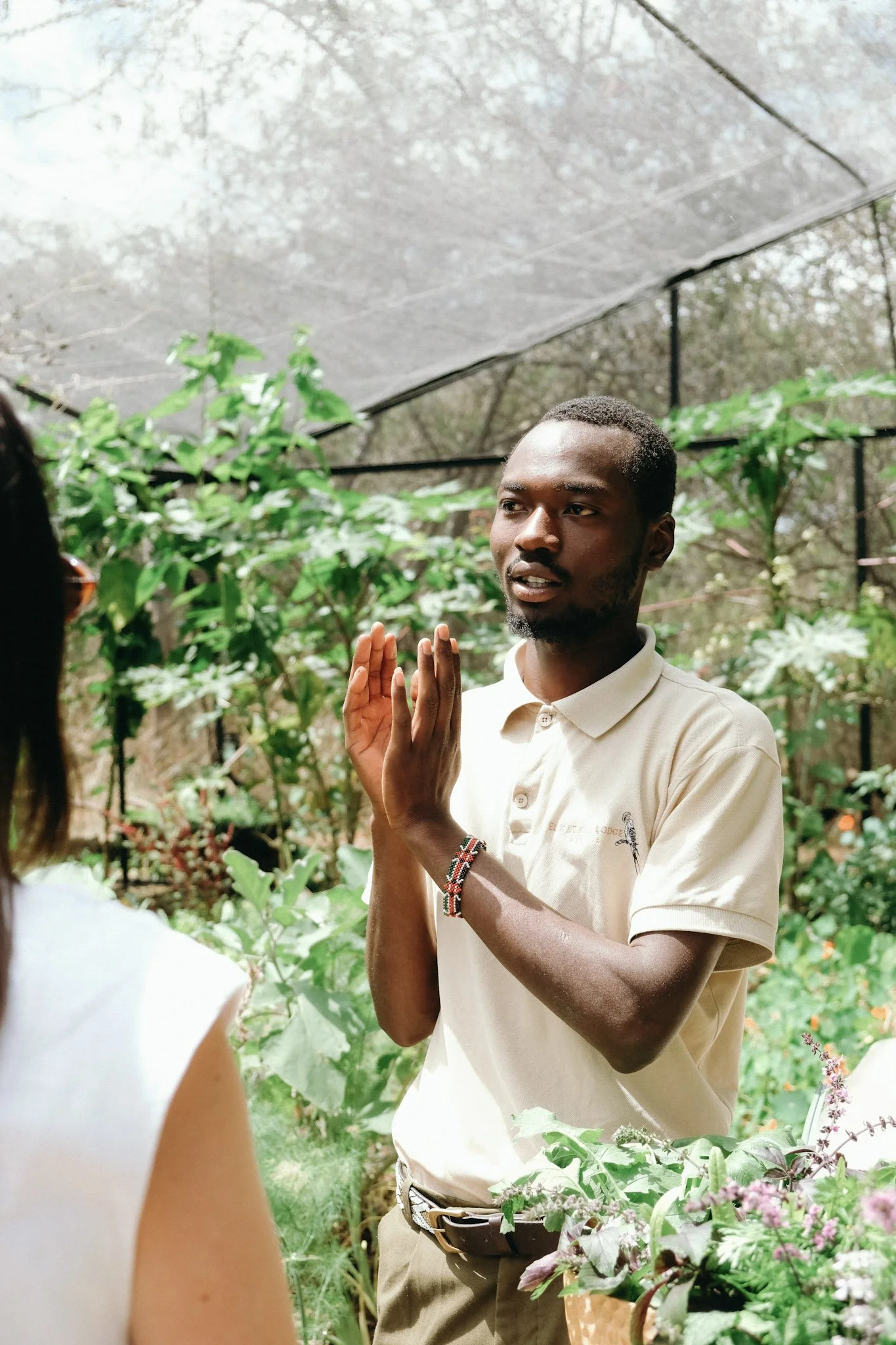

Guests receive a Tax Record Workbook to help keep relevant travel information organised throughout the safari.
It may include:
Itinerary details
Daily visit summaries
Notes prompts for each visit
Space to record the purpose and relevance of each farm, lodge, conservancy, or agribusiness visit
Receipt and invoice checklist
Travel diary template, where relevant
The workbook is provided to support conversations with your accountant or registered tax agent. It does not determine deductibility and is not tax advice.
Immersion Safaris does not assess eligibility or guarantee any tax outcome.
Any tax treatment depends on your individual circumstances, speak with your accountant or registered tax agent before booking.